50 Facts About Pigs You Should Know (Pig Intelligence)
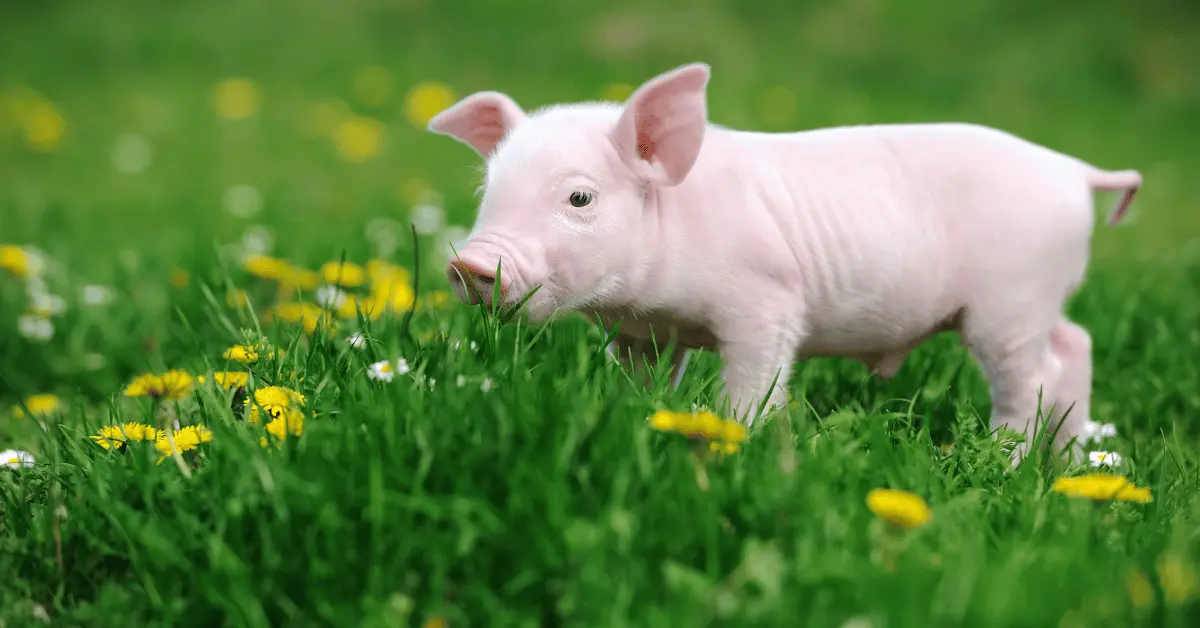
Pigs are among the most misrepresented and underestimated creatures on our planet. For centuries, they have been labeled as simple, dirty, or lazy animals, yet modern biology and ethology reveal a completely different reality. Science has shown that pigs possess a level of neurological complexity and cognitive depth that rivals primates and dolphins. From their intricate social structures to their sophisticated genetic makeup, these animals are masters of survival and intelligence.
Are pigs biologically more similar to humans than other farm animals?
Yes, scientific data confirms that pigs share significant physiological and genetic traits with humans, particularly in heart structure, skin biology, and metabolic functions.
The Evolution and Biology of a Powerhouse
To understand the pig, we must look at their evolutionary resilience. Their biology is a marvel of efficiency and adaptation.
- Species: The domestic pig is scientifically known as Sus scrofa domesticus.
- Ancient Roots: DNA research traces their ancestry back to the wild boar, originating in Southeast Asia and Europe.
- Chromosome Count: Domestic pigs typically have 38 chromosomes, which is closer to the human count of 46 than many other mammals.
- Genetic Similarity: Pigs share approximately 98% of their functional DNA with humans, making them vital in medical research.
- Skin Biology: Unlike most mammals, pigs have skin that is very similar to humans, including the way it heals and reacts to sunlight.
- Sweat Gland Myth: Pigs have very few functional sweat glands. They roll in mud not because they are dirty, but to regulate body temperature and protect their skin from sunburn.
- Heart Anatomy: A pig’s heart is so similar to a human heart in size and shape that pig heart valves are commonly used in human transplants.
- Organ Size: Their internal organs, including the liver and kidneys, are comparable in size and function to human organs.
- Rapid Growth: A piglet can double its birth weight in just one week, showing incredible metabolic efficiency.
- High Body Temperature: A pig’s normal internal temperature is around 101 to 103 degrees Fahrenheit (38 to 39 Celsius).
- Powerful Snout: The snout is a highly specialized tool, reinforced by a pre-nasal bone that allows them to dig through compacted soil.
- Specialized Teeth: Pigs have 44 teeth, including tusks in males that continue to grow throughout their lives.
- Cloven Hooves: They walk on only two of their four toes on each foot, which provides stability on various terrains.
- Metabolic Rate: They have a high basal metabolic rate, requiring a nutrient-dense diet to sustain their energy levels – Read more about: Facts About Rat Intelligence
Intelligence and Cognitive Sophistication
Science has consistently ranked pigs among the top ten most intelligent species on Earth. Their problem-solving abilities are far beyond what was previously believed.
- Cognitive Evaluation: Pigs do not act on instinct alone; they assess situations and make choices based on past experiences.
- Video Game Skills: In laboratory tests, pigs have successfully learned to use a joystick to move a cursor on a screen to hit targets.
- Mirror Self-Recognition: Pigs are among the few animals that can understand how mirrors work, using the reflection to find hidden food.
- Object Permanence: Similar to human toddlers, pigs understand that an object still exists even when it is hidden from view.
- Tool Use: While rare in the wild, captive pigs have been observed using bark or sticks to help them dig or build nests.
- Long-term Memory: They can remember specific locations where food was found and recognize individual humans for years.
- Numerical Literacy: Research suggests pigs can distinguish between different quantities and understand basic symbols.
- Fast Learners: Piglets can learn to follow commands and respond to their names as early as two to three weeks of age.
- Strategic Deception: Pigs have been observed deceiving other pigs to keep food sources for themselves, a sign of high-level social intelligence.
- Spatial Mapping: They possess an excellent sense of direction and can navigate back to their home over long distances.
Sensory Biology and Communication
The way a pig perceives its environment is dominated by an extraordinary sense of smell and a complex vocal language.
- Olfactory Excellence: A pig’s sense of smell is roughly 2,000 times more sensitive than a human’s.
- Scent Detection: They can detect odors from up to 7 miles away and can find food buried several feet underground.
- Vocal Range: Pigs have a vocabulary of over 20 distinct sounds, including specific oinks for hunger, fear, and excitement.
- High-Frequency Hearing: Their hearing range extends into ultrasonic frequencies, allowing them to hear sounds that are silent to humans.
- Communication Volume: A pig’s squeal can reach 115 decibels, which is louder than the sound of a supersonic airliner.
- Panoramic Vision: Their eyes are positioned on the side of their head, providing a wide field of vision to spot predators.
- Color Perception: While they cannot see the full spectrum, research shows they can distinguish between blue and other colors.
- Sensory Snout: The tip of a pig’s snout has as many tactile receptors as a human hand, making it their primary tool for feeling textures.
- Taste Sensitivity: Pigs have more taste buds (approximately 15,000) than humans (around 9,000), making them very picky about food quality.
- Circadian Rhythm: They are highly sensitive to light cycles and prefer to be active during the day.
Social Structure and Emotional Depth
Pigs are deeply social animals that thrive on connection and community. Their emotional lives are rich and varied.
- Social Hierarchies: Pigs live in complex groups called sounders, usually led by a dominant female.
- Empathy: Science shows that pigs experience emotional contagion, meaning they can feel the stress or happiness of their companions.
- Dream States: Neurological studies indicate that pigs experience REM sleep, suggesting that they may dream.
- Maternal Bonds: Mother pigs are known to sing to their piglets while nursing to soothe them and strengthen the bond.
- Nest Building: Before giving birth, a sow will travel miles to find the perfect spot and build a complex nest using sticks and grass.
- Cleanliness Instinct: When given enough space, pigs are remarkably clean and will never soil the area where they sleep or eat.
- Preference for Company: Pigs become depressed and anxious if kept in isolation; they require the company of their own kind.
- Play Behavior: They engage in complex play, including play-fighting and chasing, which is essential for their mental development.
- Distinct Personalities: Researchers have identified that individual pigs have stable personality traits, ranging from bold and curious to shy and cautious.
Human Impact and Conservation
Pigs have been intertwined with human history for millennia, but their future faces modern challenges.
- Domestication Timeline: Pigs were among the first animals to be domesticated, roughly 9,000 to 10,000 years ago.
- Medical Heroes: Beyond heart valves, pigs are the primary source for insulin production and skin grafts for burn victims.
- Environmental Impact: While domestic pigs are vital for food security, feral pig populations can cause significant ecological damage if not managed.
- Truffle Hunters: Because of their sense of smell, they have been used for centuries to find expensive truffles buried in forests.
- Endangered Relatives: While domestic pigs are numerous, many wild species like the Pygmy Hog are critically endangered due to habitat loss.
- Intellectual Recognition: Growing awareness of pig intelligence is leading to changes in animal welfare laws globally.
- Genetic Conservation: Rare heritage breeds are being preserved to maintain genetic diversity in the face of industrial farming.
Conclusion
Pigs are far more than just agricultural assets. They are sentient, highly intelligent beings with a biological makeup that is surprisingly close to our own. Science has replaced the myth of the dirty, stubborn animal with the reality of a creature that can solve puzzles, show empathy, and remember faces for a lifetime. Their ability to adapt to almost any environment on Earth is a testament to their evolutionary genius.
Next time you think of a pig, remember you are looking at an animal that perceives the world through a nose more sensitive than a radar, a brain that can play games, and a heart that values family and friendship. They are not just surviving; they are thinking, feeling, and navigating the world with a hidden brilliance.
Sources and References
- BBC Earth: The Truth About Smart Pigs
- National Geographic: Pigs are Intelligent and Sensitive
- Frontiers in Psychology: Brain and Cognition in Pigs
- Journal of Meat Science: Understanding Porcine Anatomy and DNA
- PBS Nature: The Joy of Pigs (Intelligence & Social Behavior)
- University of Cambridge: Research on Pigs Playing Video Games