40 Facts about Goat: The Hidden Genius of Capra Hircus
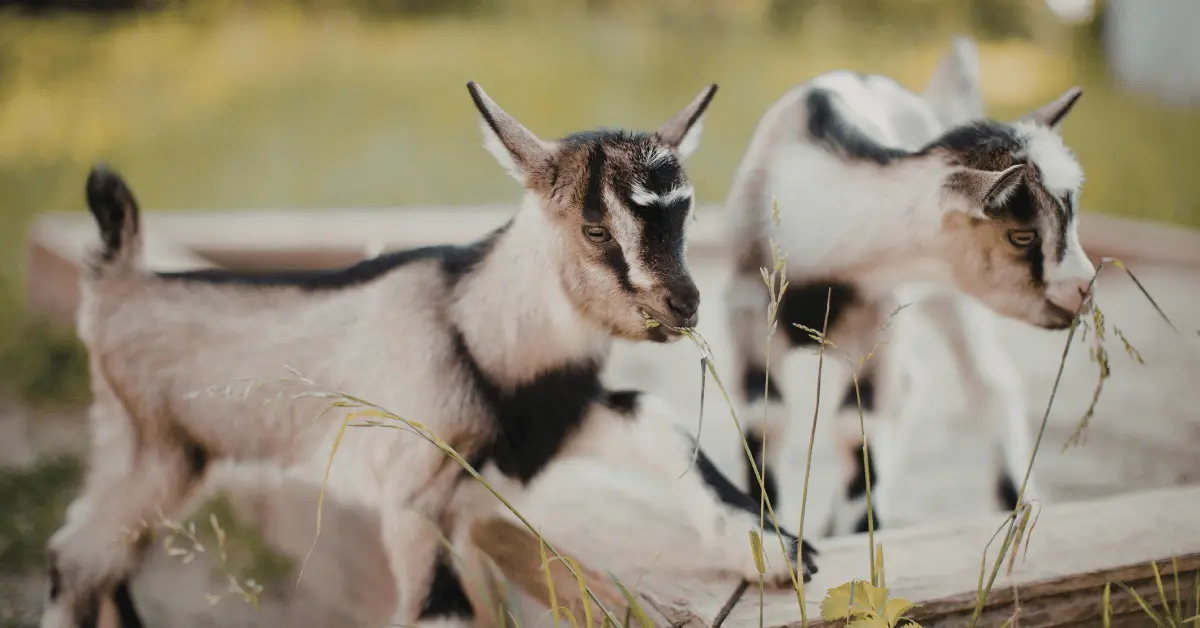
Goats are frequently dismissed as simple farm animals or humorous internet tropes, yet they represent one of nature’s most successful evolutionary experiments. Beyond the myth of being stubborn or indiscriminate eaters lies a highly intelligent, biologically advanced creature that has survived in environments where other ruminants perish. From the peaks of the Himalayas to the arid deserts of Africa, the goat’s biology is a masterclass in efficiency and cognitive awareness.
Does recent science suggest that goats possess a level of emotional and logical intelligence comparable to domestic dogs?
Yes, neurological and behavioral studies conducted through 2025 and 2026 indicate that goats utilize complex communication strategies with humans and demonstrate advanced problem-solving skills that were previously underestimated.
This report explores 40 verified scientific facts regarding goat evolution, sensory biology, and social psychology to redefine our understanding of this ancient species.
Evolutionary Foundations and Biological Precision
The biological makeup of a goat is a result of millions of years of adaptation to harsh, vertical landscapes.
- Species Identity: The domestic goat is scientifically known as Capra hircus.
- Wild Ancestry: Genomic sequencing confirms they are descendants of the Bezoar ibex (Capra aegagrus) from Southwest Asia.
- Chromosomal Map: Domestic goats possess 60 chromosomes (30 pairs).
- Ancient Partnership: They were among the first animals domesticated by humans, roughly 10,000 to 11,000 years ago in the Fertile Crescent.
- Metabolic Efficiency: A goat’s metabolism is highly adaptable, allowing them to thrive on low-protein, high-fiber vegetation that would starve a cow.
- Ruminant Complexity: They have a four-chambered stomach (rumen, reticulum, omasum, and abomasum) designed for maximum nutrient extraction.
- Heart Rate Dynamics: A resting adult goat typically maintains a heart rate of 70 to 80 beats per minute.
- Respiratory Resilience: Their lungs are highly efficient at gas exchange, allowing them to exert themselves at high altitudes with lower oxygen levels.
- Rectangular Pupils: Their horizontal, rectangular pupils provide a 320 to 340-degree field of vision, allowing them to spot predators without moving their heads.
- Night Vision: They possess a tapetum lucidum, a reflective layer behind the retina that significantly enhances their vision in low light.
- Agile Hooves: Their hooves are cloven (split) and have a soft, grippy inner pad with a hard outer shell, acting like natural climbing shoes.
- Vestibular System: Their inner ear balance mechanism is exceptionally developed, allowing them to stand on branches or ledges narrower than their own feet.
- Specialized Skin: Depending on the breed, their skin produces various oils and fibers (like cashmere or mohair) that provide extreme thermal regulation.
Cognitive Architecture and The Intelligence Factor
The idea that goats are “mindless” is a scientific fallacy. Their brain-to-body mass ratio and neural connectivity suggest high-level processing.
- Problem Solving: Goats can learn to operate complex mechanical latches and remember the solution for over four years without practice.
- Observational Learning: They can learn a task simply by watching another goat or even a human perform it.
- Communication with Humans: Much like dogs, when a goat faces a task it cannot solve, it will alter its gaze to “ask” a human for help.
- Long-term Memory: Studies show they have an excellent long-term memory for both social faces and spatial locations.
- Name Recognition: Individual goats can distinguish their own name from other sounds and commands.
- Individual Personalities: Science recognizes distinct “personalities” in goats, ranging from bold and exploratory to shy and cautious.
- Emotional Contagion: They are susceptible to the emotions of their herd; if one goat is stressed, the physiological stress markers in the others will rise.
- Language Processing: Goats can distinguish between different human emotional tones in voices.
- Intentional Vocalization: They do not just “bleat” randomly; they have specific calls for hunger, distress, and mother-offspring contact.
Sensory Mastery and Social Systems
Goats navigate their world through a sophisticated array of senses and a structured social hierarchy.
- Acute Hearing: They can move their ears independently to pinpoint the frequency of a predator’s movement from miles away.
- Olfactory Depth: Their sense of smell is vital for social bonding; a mother recognizes her kid primarily by its unique scent.
- Vomeronasal Organ: They use the Flehmen response (curling the upper lip) to “test” pheromones in the air.
- Taste Selectivity: Contrary to the myth of eating “anything,” goats are “browsers,” not “grazers.” They are highly selective, choosing the most nutrient-dense parts of a plant.
- Social Hierarchy: Herd structure is governed by a strict “pecking order” usually led by an older, experienced female (the Queen).
- Horn Function: Beyond defense, goat horns act as a cooling system, circulating blood through the horn core to dissipate heat.
- Kid Development: Goat “kids” can stand and walk within minutes of birth, a biological necessity for a prey species.
- Peer Groups: Young goats form “crèches” or playgroups, which are essential for developing social and motor skills.
- Emotional Bonding: Goats form strong friendships and will often graze, sleep, and travel next to the same preferred companion.
- Depth Perception: Their wide-set eyes provide excellent binocular overlap at the front, giving them the depth perception needed for jumping.
Human Impact, Global Role, and Conservation
The relationship between goats and humans is evolving as we realize their value in a changing climate.
- Environmental Engineers: Goats are used globally for “conservation grazing” to prevent wildfires by clearing flammable underbrush.
- Dairy Superiority: Goat milk has smaller fat globules than cow milk, making it naturally homogenized and easier for the human gut to digest.
- Genetic Diversity: There are over 300 distinct breeds of goats worldwide, each adapted to specific local climates.
- Climate Resilience: As global temperatures rise, goats are becoming more valuable than cattle because of their lower water requirements and heat tolerance.
- Rare Breeds: Many heritage breeds, such as the Bagot or Golden Guernsey, are currently under threat of extinction due to industrial farming.
- The Myotonic Reflex: “Fainting goats” have a genetic condition called myotonia congenita; they don’t actually faint, their muscles simply stiffen when startled.
- Global Population: There are over one billion domestic goats on Earth, providing a primary source of protein for millions of people.
- Conservation Status of Wild Relatives: While domestic goats thrive, many wild species like the Markhor and various Ibex species face habitat loss and require strict protection.
Conclusion
The science of 2026 confirms that the goat is a master of adaptation. They are not merely “stubborn” animals; they are calculated, intelligent, and biologically optimized for survival. Their ability to solve complex problems, form deep social bonds, and thrive in the most inhospitable corners of the planet makes them one of the most remarkable species in the animal kingdom. Understanding the goat means looking past the surface and appreciating the hidden genius of a creature that has walked alongside humanity for millennia.