91 Amazing Monkey Facts: Science and Wildlife Discoveries
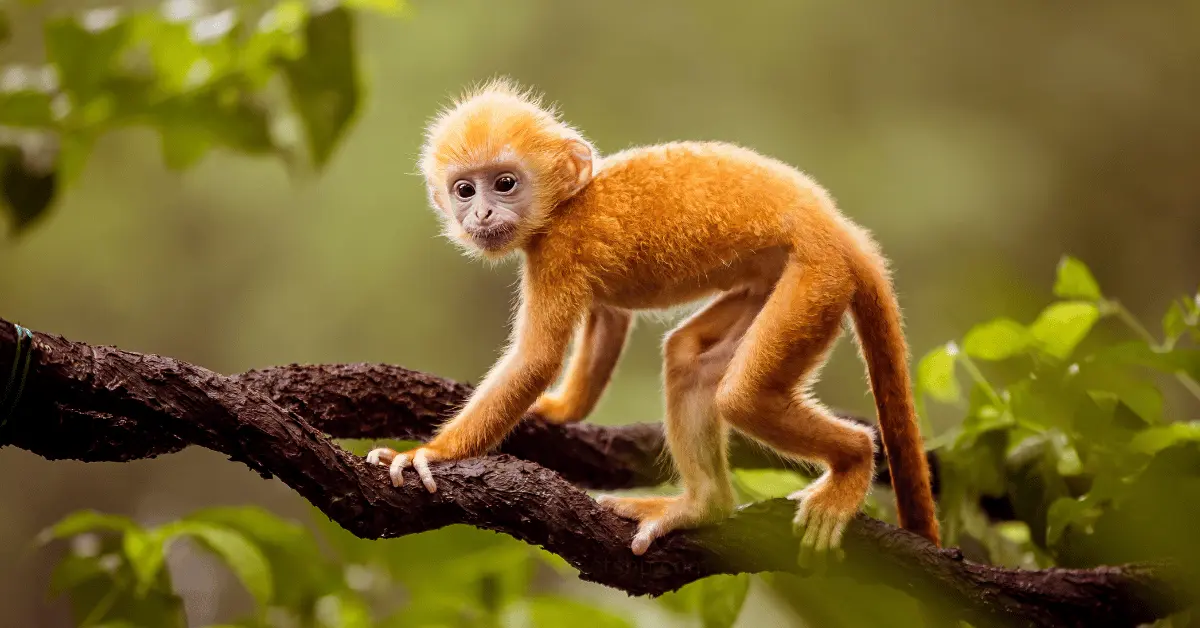
Monkeys are among the most diverse mammals on the planet, inhabiting ecosystems from tropical rainforests to snowy mountain peaks. As primates, they share complex evolutionary traits with humans, including advanced problem-solving skills and intricate social structures. Understanding their biology is essential for wildlife conservation and maintaining the ecological balance of our global forests.
Monkeys are highly intelligent mammals divided into New World and Old World species, defined by unique physical adaptations, complex communication, and diverse diets. This report provides a scientific breakdown of primate life, covering 91 facts about monkey species, their social hierarchies, and the current challenges facing their survival.
The Scientific Foundation of Primatology
The study of primates reveals a complex evolutionary journey that spans millions of years across different continents. By examining their biological makeup, researchers gain deep insights into the shared history of all mammalian life and the development of advanced survival traits.
- The Pygmy Marmoset is the smallest monkey in the world, weighing about as much as a stick of butter.
- The Mandrill is the largest monkey, with males weighing up to 80 pounds and showing vibrant colors.
- Not all monkeys live in the heat; Japanese Macaques, or “Snow Monkeys,” live in areas where it snows for months and use hot springs to stay warm.
- Howler monkeys are the loudest land animals, with a roar that can be heard three miles away through dense jungle.
- Some monkeys, like the Owl Monkey, are nocturnal, meaning they are active at night to avoid daytime predators.
- A monkey’s lifespan varies wildly, but some can live up to 40 years in the right natural conditions.
- Spider monkeys get their name because their long limbs and tails make them look like spiders when hanging from branches.
- Most monkeys have fingerprints that are unique to each individual, just like human beings.
- Capuchin monkeys are considered the smartest New World monkeys due to their ability to solve complex problems.
- Proboscis monkeys are known for their unusually large noses, which actually help amplify their warning calls.
- Many monkeys have color vision, which is a critical adaptation for finding the brightest, ripest fruit in a green canopy.
- The Patas monkey is the fastest runner among primates, reaching speeds of 35 miles per hour on the ground.
- Unlike humans, most monkeys can use their feet to grip objects almost as well as their hands.
- The Gelada monkey has a patch of skin on its chest that turns bright red when it is socially excited.
- Marmosets and Tamarins often give birth to twins, which is unusual for larger primate species.
- Saki monkeys have incredibly thick fur that acts like a raincoat to protect them from heavy tropical storms.
- The Squirrel monkey has one of the largest brain-to-body mass ratios of any primate species.
- Some monkeys have specialized “sitting pads” called ischial callosities that allow them to sleep comfortably on thin branches.
- Tail length can vary from almost non-existent in some species to several feet long in others.
- The Titi monkey is known for its monogamous behavior, often staying with one partner for its entire life.
Intelligence and Social Life
Monkeys possess sophisticated cognitive abilities that allow them to navigate complex social hierarchies and environmental challenges. Their capacity for problem-solving and emotional depth continues to surprise researchers in the field of animal psychology.
- Monkeys use grooming not just for cleanliness, but as a way to bond and resolve conflicts within the group.
- Capuchins have been observed using medicinal plants to rub on their fur to ward off harmful insects.
- Some species have different alarm calls for “eagle,” “snake,” and “leopard” to tell the group exactly where to hide.
- Monkeys can learn to use symbols to communicate with humans in specialized research settings.
- They understand the concept of fairness and will show frustration if they see another monkey get a better reward for the same task.
- Young monkeys learn survival skills by imitating their elders, which scientists refer to as “primate culture.”
- Baboons live in complex social hierarchies that can include hundreds of individuals with specific roles.
- Research shows that some monkeys can count and understand the basics of addition and subtraction.
- They have been seen “fishing” for termites using sticks, showing an understanding of tool use.
- Male Mandrills use their bright facial colors to show their rank and general health to the rest of the troop.
- Rhesus monkeys have been vital in space travel research to understand how living beings react to different gravitational forces.
- Monkeys exhibit signs of grief and have been known to stay near fallen troop members for extended periods.
- In many global cultures, monkeys are viewed as sacred guardians of temples and ancient forests.
- Group play is essential for young monkeys to develop the physical coordination needed for life in the trees.
- Some monkeys use large, broad leaves as umbrellas to stay dry during heavy downpours in the rainforest.
Diet and Survival
Understanding the nutritional needs and foraging habits of primates is essential for maintaining healthy populations in the wild. Their diverse diets play a critical role in the health of the ecosystems they inhabit by aiding in forest regeneration.
- While many people assume monkeys only eat bananas, they are actually omnivores with a very diverse diet.
- Their natural diet includes a variety of fruit, leaves, seeds, flowers, eggs, and small insects.
- Some baboons have been known to hunt small mammals, such as young antelopes, when fruit is scarce.
- The Gelada monkey is the only primate that primarily eats grass, much like a cow or a horse.
- Monkeys play a vital role in the ecosystem by spreading seeds through their waste as they move across the forest.
- Many species have a specific “home range” that they will defend from other groups to protect their food sources.
- In the wild, finding clean water is essential, though some monkeys get most of their hydration from the fruit they eat.
- Rhesus macaques are very adaptable and have learned to live in human cities by scavenging for food.
- They use their cheek pouches to hide food quickly so they can carry it to a safer spot to eat.
- Competition for food can lead to “vocal battles” where different troops scream at each other to claim a tree.
- Soil eating, or geophagy, is practiced by some monkeys to gain minerals and neutralize toxins found in certain plants.
- Certain species follow large herbivores like elephants to catch insects that are stirred up in the grass.
- Hibernation is extremely rare in primates, but some small species store fat in their tails for leaner months.
- High-altitude monkeys have developed thicker blood to cope with lower oxygen levels in the mountains.
- Foraging for food usually takes up the majority of a monkey’s daylight hours to ensure they have enough energy.
Rare and Interesting Species Facts
Exploring the lesser-known members of the primate family reveals an incredible array of specialized traits and rare appearances. These unique species highlight the vast biodiversity found in the most remote corners of our planet.
- The Emperor Tamarin is famous for its long, white mustache that gives it a very regal appearance.
- Bald Uakaris have bright red faces, which serves as a sign of good health and high status in their jungle home.
- The Lesula monkey was a major scientific discovery when it was first identified in the Congo in 2007.
- Some monkeys are excellent swimmers and will dive into rivers to escape predators or find food.
- The Blue Monkey is actually named for its olive-grey coat that has a subtle blue tint under the sun.
- Squirrel monkeys often travel in massive groups of 50 or more to stay safe from predators like eagles.
- Drills are close relatives of Mandrills but have much darker, less colorful faces and live in smaller areas.
- Night monkeys are the only truly nocturnal monkeys in the world, featuring very large eyes to see in the dark.
- The De Brazza’s monkey is often called the “swamp monkey” because it prefers living in wet, marshy areas.
- Golden Lion Tamarins are among the rarest monkeys and have been the focus of intense conservation efforts.
- Proboscis monkeys are so comfortable in water that they have been found swimming miles out at sea.
- The Woolly Monkey has a tail so strong it can support its entire body weight while it hangs to reach fruit.
- Snub-nosed monkeys live at higher altitudes than almost any other primate, surviving in very cold climates.
- The Talapoin is the smallest Old World monkey and lives primarily in the mangrove forests of Africa.
- Red-tailed monkeys often form mixed-species groups with other primates to increase their chances of spotting danger.
- Mangabeys have white eyelids that they flash to send silent signals to other monkeys in the troop.
- The Tonkin Snub-nosed monkey was thought to be extinct until it was rediscovered in the Vietnamese forests in the 1990s.
- Colobus monkeys have a multi-chambered stomach that allows them to digest tough leaves that other monkeys cannot eat.
- The Douc Langur is often called the “costumed ape” because of its vibrant and multi-colored fur pattern.
- Guenons are a diverse group of African monkeys with very distinct facial patterns used for species recognition.
- The Barbary Macaque is the only species of monkey found wild in Europe, living on the Rock of Gibraltar.
- Spider monkeys do not have thumbs, an evolutionary adaptation that helps them swing faster through the trees.
- Capuchins have been known to use crushed millipedes as a natural mosquito repellent by rubbing them on their skin.
- Vervet monkeys have been observed “eavesdropping” on the warning calls of birds to learn about nearby predators.
- The Dusky Leaf Monkey has white circles around its eyes that look exactly like a pair of spectacles.
- Lion-tailed Macaques are one of the most endangered primates due to extreme habitat loss in the mountains of India.
- Howler monkeys have a specialized enlarged bone in their throat that acts as a resonator for their booming calls.
- Some monkeys in Thailand have learned to use human hair or coconut fibers to floss their teeth.
- Black-and-white Colobus monkeys are born completely white and change color as they grow older.
- Many monkeys will groom humans they trust as a sign of high social regard and friendship.
- Scientists believe there are still several species of monkeys in deep, unexplored jungles that have not yet been discovered.
Communication and the “Primate Language”
Effective communication is the backbone of primate society, involving a complex mix of sounds, gestures, and chemical signals. Decoding these messages allows scientists to understand how monkeys coordinate their survival strategies.
- Research shows that monkeys can recognize the unique voices of their family members even in a large, noisy crowd.
- Hand gestures, like pointing or reaching out, are used by many species to ask for food or social assistance.
- Scent marking is a common way for New World monkeys to claim their territory and communicate with other groups.
- Eye contact in the monkey world is often a challenge or a threat, which is why they sometimes look away when humans stare.
- Some monkeys use a specific type of social scratching to signal to others that they are ready to be groomed.
Why Are Monkeys Endangered?
The preservation of primate species is a global challenge that requires immediate action and sustainable solutions. Protecting these animals ensures the continued health of the tropical forests that regulate our global climate.
- Deforestation is the leading cause of monkey population decline as forests are cleared for agriculture.
- Climate change is shifting the seasons when trees produce fruit, leaving many monkeys without a steady food supply.
- Conservationists use modern technology like satellite tracking to monitor the movement and health of endangered troops.
- Community-based programs are teaching people living near forests how to coexist peacefully with local monkey populations.
- Planting “green corridors” helps connect isolated patches of forest so monkeys can travel and breed safely.
Conclusion
Monkeys are far more than just energetic animals that swing from trees. They are a mirror into our own biological past, showing us the beginnings of social behavior, tool use, and complex communication. From the tiny Pygmy Marmoset to the colorful Mandrill, the diversity within the primate world is a testament to the power of evolution and adaptation.
We have learned that they possess a high level of intelligence, capable of solving problems and feeling deep social emotions. Whether we are studying them through a scientific lens or protecting them through conservation, it is clear that they deserve our respect. By understanding these 91 facts about monkeys, we can better appreciate the delicate balance of nature and the incredible creatures that share our planet.